Dubai has quietly become one of the most sought-after real estate markets on the planet. What was once a desert trading post is now a global city that attracts billionaires, digital nomads, retirees, and savvy investors from over 200 nationalities. The numbers back it up: Dubai’s real estate sector recorded over AED 761 billion in transactions in 2024, a figure that continues to climb year over year.
But this isn’t just about financial returns. Dubai lifestyle property investment sits at a unique crossroads — where premium living meets exceptional yield potential. Buyers aren’t simply purchasing a home; they’re acquiring access to a tax-free ecosystem, world-class infrastructure, and a quality of life that few cities can match.
This guide covers everything you need to know: what lifestyle properties are, where to buy, what returns to expect, and the pitfalls to avoid as you navigate the Dubai real estate market in 2026.
What is Lifestyle Property Investment?
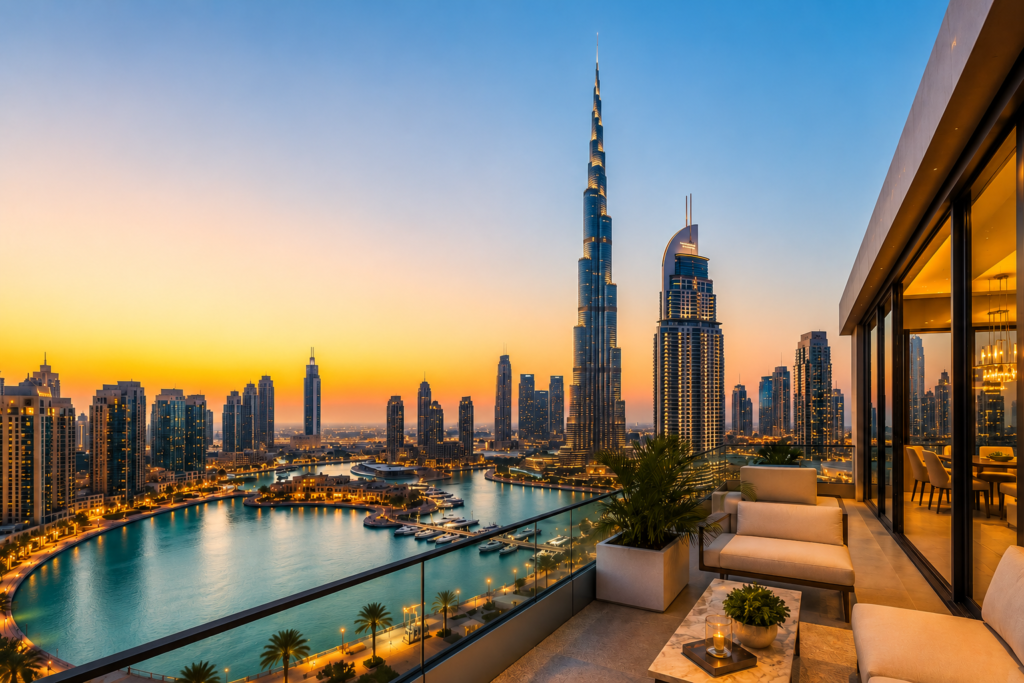
Lifestyle property investment refers to purchasing real estate that offers a premium living experience alongside a compelling financial return. These aren’t standard buy-to-let flats. They’re properties designed to enhance the way you live — think Palm Jumeirah waterfront homes, branded residences in Downtown Dubai, or golf-fronting villas in Dubai Hills Estate.
How lifestyle properties differ from traditional real estate
Traditional real estate investment focuses almost entirely on yield and capital growth. Lifestyle property investment layers in experiential value — proximity to the beach, branded amenities, hotel-style services, and architectural design that commands both premium rents and long-term capital appreciation.
For international investors, Dubai’s lifestyle properties serve a dual purpose: a personal retreat and a high-performing asset. Dubai Lifestyle Property Investment: The Complete Guide for 2026
Why Invest in Dubai Lifestyle Properties?
Several structural advantages make Dubai one of the world’s most attractive destinations for lifestyle-oriented real estate investment.
Tax-free environment
Dubai imposes no personal income tax and no capital gains tax. Rental income flows directly to investors — untouched by the tax obligations that eat into returns in the UK, US, Australia, and across Europe. This single factor fundamentally changes the return profile of any Dubai property investment. Dubai Lifestyle Property Investment: The Complete Guide for 2026
High rental yields
Dubai consistently delivers rental yields that outperform major global cities. Prime areas like Dubai Marina and Business Bay routinely generate gross yields of 6%–8%, compared to 2%–4% in London or New York. Short-term rentals on platforms like Airbnb can push yields even higher in popular tourist zones.
Strong capital appreciation
Property values in key Dubai neighborhoods have increased significantly in recent years. According to data from the Dubai Land Department (dubailand.gov.ae), luxury property prices rose by over 16% in 2024 in prime locations. Off-plan properties in particular have delivered strong capital appreciation from launch to handover. Dubai Lifestyle Property Investment: The Complete Guide for 2026
World-class infrastructure
Dubai’s infrastructure rivals — and in many respects exceeds — that of the world’s most developed cities. Efficient metro connectivity, one of the busiest international airports in the world, a rapidly expanding road network, and access to healthcare and education of global standard all contribute to sustained property demand.
Safe and stable economy
The UAE’s political stability, robust legal framework, and pro-business governance create a low-risk environment for foreign investors. The Real Estate Regulatory Authority (rera.gov.ae) enforces strict developer regulations and buyer protections, ensuring transparency across the market. For a broader overview of life and investment in the UAE, visit the official UAE government portal at u.ae.
Best Areas for Lifestyle Property Investment in Dubai
Location drives performance in Dubai real estate. Each neighborhood carries a distinct character, price point, and investment dynamic. Dubai Lifestyle Property Investment: The Complete Guide for 2026
Downtown Dubai
Home to the Burj Khalifa and The Dubai Mall, Downtown Dubai is the city’s most iconic address. Luxury apartments here attract high-net-worth tenants and short-term visitors alike, producing strong rental demand year-round. For listings and project insights from one of Dubai’s leading developers, explore Emaar Properties, which pioneered Downtown Dubai’s master plan.
Dubai Marina
One of the world’s largest man-made marinas, Dubai Marina offers a cosmopolitan waterfront lifestyle. High-rise apartments with marina views command consistent rental premiums and appeal strongly to expatriate professionals. Dubai Lifestyle Property Investment: The Complete Guide for 2026Dubai Lifestyle Property Investment: The Complete Guide for 2026Dubai Lifestyle Property Investment: The Complete Guide for 2026
Palm Jumeirah
The iconic palm-shaped island remains Dubai’s most prestigious waterfront address. Villas and signature apartments on Palm Jumeirah attract ultra-high-net-worth buyers seeking exclusivity. Properties here have shown some of the strongest capital appreciation in the city.
Business Bay
Business Bay combines commercial activity with residential appeal, offering relatively accessible entry prices compared to Downtown Dubai. Its proximity to the Burj Khalifa and strong transport links make it a practical choice for investors targeting working professionals. Dubai Lifestyle Property Investment: The Complete Guide for 2026
Dubai Hills Estate
A master-planned green community built around an 18-hole golf course, Dubai Hills Estate appeals to families and long-term residents. Villas and townhouses here have seen consistent demand growth. Emaar’s Dubai Hills Estate community sets a benchmark for suburban luxury living.
Dubai Creek Harbour
Positioned as the city’s next iconic waterfront district, Dubai Creek Harbour offers early-stage investment opportunities with significant long-term upside. The planned Dubai Creek Tower and waterfront promenade are expected to drive substantial capital growth. Dubai Lifestyle Property Investment: The Complete Guide for 2026
Types of Lifestyle Properties in Dubai
Luxury Apartments
High-rise apartments with premium finishes, concierge services, and panoramic city or sea views. Most suitable for short-term rental investors and single buyers.
Villas
Standalone homes in gated communities offering privacy, space, and outdoor living. In strong demand from families relocating to Dubai long-term. Explore villa communities from DAMAC Properties, one of Dubai’s largest developers. Dubai Lifestyle Property Investment: The Complete Guide for 2026
Waterfront Homes
From Palm Jumeirah to Dubai Creek Harbour, waterfront properties consistently command the highest premiums and the most resilient resale values. See our Dubai Luxury Apartments guide for more detail.
Branded Residences
Co-branded with luxury hotel chains such as Armani, Address, and Mandarin Oriental, these residences blend residential ownership with five-star hotel amenities. A fast-growing segment of Dubai’s luxury property market. Dubai Lifestyle Property Investment: The Complete Guide for 2026
Penthouses
Ultra-premium offerings at the top floors of Dubai’s most desirable towers. Penthouses attract the highest per-square-foot prices and are often purchased by buyers looking for trophy assets.
Benefits for International Investors
Dubai’s property regulations are structured to attract and retain global capital.
- 100% foreign ownership: Non-UAE nationals can own freehold property in designated zones — outright, with no local sponsor required.
- No annual property tax: Unlike the UK, US, or Australia, Dubai levies no annual property tax, significantly improving net yield calculations.
- Easy buying process: Transactions are transparent and streamlined. The Dubai Property Buying Guide outlines each step in detail.
- Golden Visa opportunities: Investors who purchase property worth AED 2 million or more may qualify for the UAE’s 10-year Golden Visa, granting long-term residency rights. See our Dubai Golden Visa Guide for eligibility criteria and application steps.
ROI and Rental Income Potential
Average rental yields
Dubai consistently ranks among the top global cities for rental yield. As a general benchmark:
- Dubai Marina: 6%–7.5%
- Business Bay: 6%–8%
- Downtown Dubai: 5%–7%
- Palm Jumeirah: 4%–6%
- Dubai Hills Estate: 5%–7%
These figures represent gross yields. Net yields remain highly competitive once you account for the absence of income tax and annual property tax.
Long-term appreciation
Dubai’s property market has shifted from cyclical boom-and-bust patterns toward sustained, policy-driven growth. Government initiatives including the Golden Visa program, remote work visas, and large-scale infrastructure projects continue to attract new residents — the primary engine of property demand. Check our Dubai Property Market Trends page for the latest data.
Short-term rental opportunities
Dubai’s tourism sector — which welcomed over 17 million international visitors in 2023 — creates substantial demand for short-term rentals. With the right property in the right location, short-term rental yields can significantly exceed long-term letting returns, particularly in areas like Downtown Dubai and the Palm.
Things to Consider Before Investing
Budget planning
Factor in the full cost of ownership. Beyond the purchase price, account for the 4% Dubai Land Department transfer fee, real estate agent fees (typically 2%), mortgage arrangement fees if applicable, and annual service charges that vary by building.
Developer reputation
In Dubai’s off-plan market, developer track record matters enormously. Established names like Emaar and DAMAC Properties carry strong delivery records, but always verify a developer’s history before committing. Explore Dubai Off-Plan Projects for a curated overview.
Location due diligence
Not all areas perform equally. Research rental demand, planned infrastructure, developer pipeline, and proximity to schools, transport, and amenities before selecting a neighborhood.
Payment plans
Many Dubai developers offer attractive off-plan payment plans — sometimes extending post-handover. These can significantly reduce upfront capital requirements, but understand the terms fully, including what happens in the event of delays.
Market trends
Stay current on supply and demand dynamics, interest rate movements, and Dubai’s broader economic trajectory. The Dubai Real Estate Investment Guide is a useful starting point.
Common Mistakes to Avoid
Buying without research
The Dubai market is diverse and fast-moving. Buying based purely on a developer’s marketing material — without independent research into comparable prices, rental performance, and location fundamentals — is a costly mistake.
Ignoring hidden costs
Service charges in some premium buildings run to AED 20–40 per square foot annually. Add maintenance, property management fees, and occasional vacancy periods, and your net return can look very different from the headline yield.
Choosing the wrong location
A property that’s hard to rent or resell erodes returns quickly. Prioritize locations with proven tenant demand, strong transport access, and proximity to amenities. A strong indicator: established communities developed by reputable names tend to hold value better through market cycles.
Future of Dubai’s Lifestyle Property Market
Upcoming developments
Major projects including Dubai Islands, Emaar’s Dubai Creek Harbour expansion, and DAMAC’s waterfront communities are reshaping the city’s geography. Early investors in these districts have historically benefited from the strongest appreciation curves.
Smart city initiatives
Dubai is investing heavily in becoming one of the world’s leading smart cities. The Dubai 2040 Urban Master Plan envisions 60% of Dubai’s area as natural or forested land, with five urban centers connected by world-class infrastructure — a compelling long-term argument for residential property demand.
Investment outlook for 2026 and beyond
Structural drivers — population growth, tourism expansion, a rising expat population, and government-led economic diversification — all point toward sustained demand for Dubai lifestyle properties. The shift to remote and hybrid work has also accelerated Dubai’s appeal among global professionals, many of whom now split their time between Dubai and their home country.
Ready to Invest? Here’s Where to Start
Dubai lifestyle property investment offers a rare combination: premium living standards, tax-efficient returns, and a legal framework that genuinely protects foreign buyers. Few cities on earth can make that case as convincingly.
The market rewards those who do their homework — on location, developer, property type, and cost structure. Whether you’re drawn to a Palm Jumeirah villa, a Downtown Dubai penthouse, or an off-plan waterfront apartment, the key is aligning your investment to clear goals: yield, capital growth, personal use, or a mix of all three.
Start by exploring Dubai Real Estate Investment Guide and Dubai Property Market Trends for the latest market data, then consult with a RERA-registered agent before making any commitments.
Frequently Asked Questions
Is Dubai property investment open to all nationalities?
Yes. Non-UAE nationals can purchase freehold property in designated investment zones without requiring a local partner or sponsor. This applies to buyers from virtually all countries.
How much do I need to invest to qualify for the UAE Golden Visa?
A property purchase of AED 2 million (approximately USD 545,000) or more qualifies an investor for the UAE’s 10-year Golden Visa. Joint ownership arrangements are permitted in some cases. See our Dubai Golden Visa Guide for full criteria.
What are typical rental yields on Dubai lifestyle properties?
Gross rental yields in Dubai’s prime areas generally range between 5% and 8%, depending on location, property type, and rental strategy. Short-term rental strategies in high-tourism areas can push yields higher.
Are there ongoing property taxes in Dubai?
No. Dubai does not levy annual property tax or capital gains tax. Investors pay a one-time 4% transfer fee to the Dubai Land Department at the time of purchase.
What is the difference between freehold and leasehold property in Dubai?
Freehold ownership gives the buyer full title to the property and land — with no expiry. Leasehold grants the right to use a property for a fixed period, typically 99 years. Foreign investors are eligible to purchase freehold properties in designated zones.
Is it safe to buy off-plan property in Dubai?
Off-plan purchases carry some risk, as with any pre-construction investment. Dubai’s RERA regulations — including requirements for escrow accounts and developer registration — provide meaningful protections. Choosing established developers with a proven delivery track record reduces risk substantially.
What are service charges in Dubai and how much do they cost?
Service charges are annual fees paid to maintain common areas, building facilities, and security. They vary widely by development — from approximately AED 10 per square foot in affordable buildings to AED 30–40 per square foot in premium towers. Factor these into your net yield calculations before purchasing.